
Evolution 2: Shooting games
KEYSTORM HOLDINGS LTDAction
4.54.45K Reviews
- Version
- 0.2737.90127
- Installs
- 10.00M
- Age Rating
- Teen
Screenshots
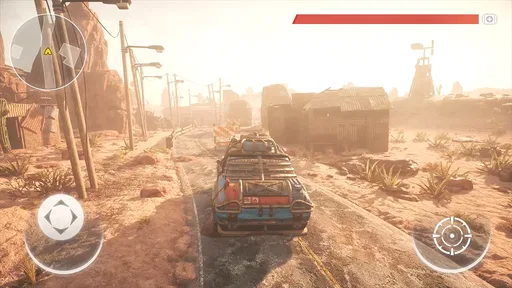
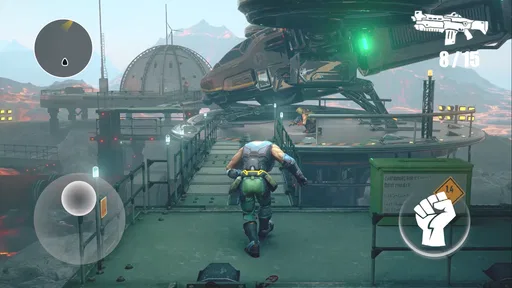
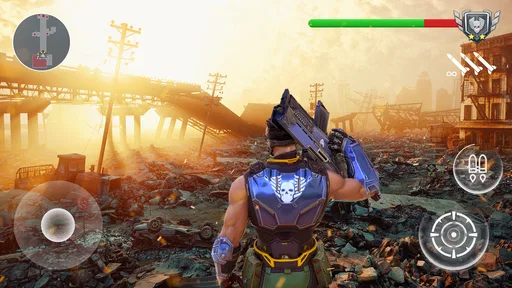
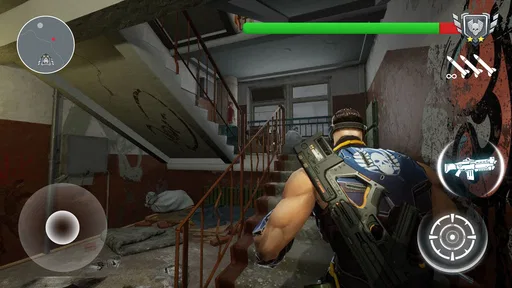
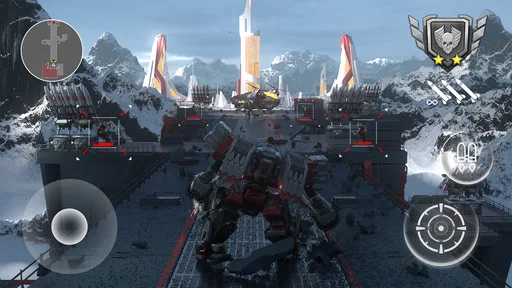
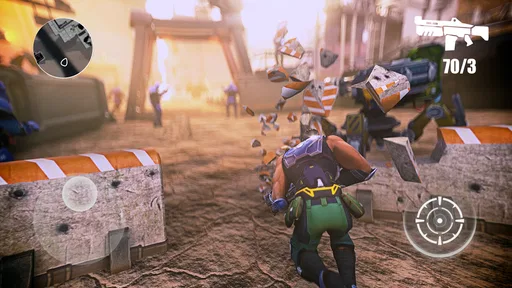
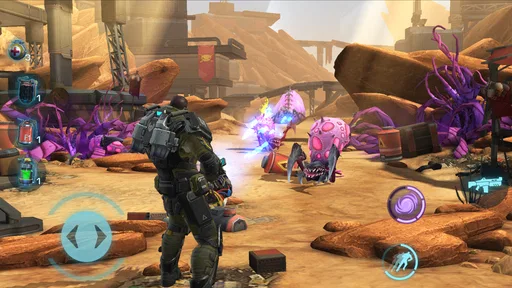
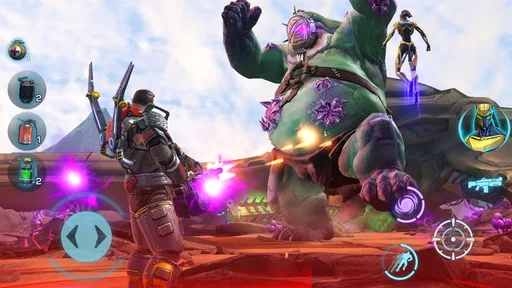
Our Review of Evolution 2: Shooting games
 Analysis by Appyee
I went into Evolution 2: Shooting games expecting a fairly direct mobile shooter, but its appeal is more unusual than that. It combines shooting with role-playing progression and strategic decisions, so success is not only about aiming quickly. I also had to think about which character or ability suited the situation, how to spend upgrade resources, and when to stop pushing forward and improve my setup first. That mixture gives the game more personality than a standard run-and-gun title.
It is a free action game from KEYSTORM HOLDINGS LTD, aimed at Teen players, and it has built a sizeable audience with an average rating of 4.5 from around 205 thousand ratings and more than 10 million installs. Those figures suggest that it has found a dependable audience, but they do not remove the practical questions that matter before installing: will it run comfortably on an older phone, what should you check when the first launch goes wrong, and is the hybrid design enjoyable if you mainly want a simple shooter?
What the game feels like after the first few sessions
The strongest part of my experience was the way the three genres affect one another. The action gives each encounter urgency, the RPG layer makes victories feel useful beyond the current stage, and the strategic layer asks me to prepare instead of reacting blindly. It is not as mechanically pure as a dedicated competitive shooter, nor as relaxed as a straightforward character-collection game. Its identity comes from sitting between those categories.
That also explains the first place many players can get stuck: they may approach every battle as if reflexes alone decide the result. In practice, a poorly prepared character can make an otherwise manageable encounter feel unfair. When progress slows, I found it more useful to review upgrades and equipment choices than to repeat the same fight immediately. A short pause to strengthen the right part of the loadout often helped more than simply playing faster.
The controls are designed for touch screens, so the game works best when I keep my hands clear of the edges and avoid playing with a crowded notification area. Small interruptions matter in an action game. A call banner, a floating message, or an accidental swipe away from the intended control can turn a successful attempt into a wasted one. I recommend closing unnecessary overlays before a serious session, especially on a smaller phone.
One non-obvious strength is that the game rewards separating “combat practice” from “progress attempts.” I used easier encounters to understand movement, timing, and the behavior of weapons or abilities, then saved my best resources for stages where the difficulty actually demanded them. This is more efficient than spending everything whenever a battle feels slightly uncomfortable. The RPG structure makes that discipline worthwhile.
Where the opening can create friction
The first sessions can feel busier than expected because several kinds of decisions arrive close together. A player who wants to start shooting immediately may find the progression screens distracting. I would not rush through them. The early menus establish how improvement works, and overlooking an upgrade or equipment screen can leave the character weaker than necessary without making the reason obvious.
Another source of confusion is the difference between losing because of execution and losing because of preparation. If I repeatedly miss targets or move badly, practice is the answer. If the fight feels slow, incoming damage is too high, or the character cannot survive long enough to use a plan, I look at progression instead. Recognizing that distinction prevents a lot of frustrating retries.
The free-to-play structure also deserves attention. Optional purchases range from $0.99 to $109.99 per item, so I would treat the store as a boundary to manage rather than as part of the core challenge. Before starting, I recommend deciding whether you want to play strictly without spending. That simple decision makes it easier to judge progress on your own terms and avoids impulsive purchases after a difficult stage.
For younger players, the Teen content rating is worth taking seriously. Adults should also remember that a game with action, progression, and optional purchases can encourage longer sessions than intended. I prefer setting a stopping point before beginning a run, particularly when I am playing late or when a difficult stage invites “one more attempt.”
Checks I would make before blaming the game
The game supports devices running Android 6.0 or later, but meeting a minimum operating-system requirement does not guarantee an equally smooth experience on every phone. Before installing, I check that the system is updated, that there is comfortable free storage, and that the device is not already struggling with several demanding apps. These are basic checks, yet they prevent many false conclusions about a game being broken.
I also close other games and heavy background apps before the first launch. On a phone that is short on memory, the problem may appear as slow loading, a return to the home screen, or a session that becomes unstable after several battles. Restarting the device after a system update is another sensible step. It is not a special fix for this title, but it gives the game a cleaner environment.
When an update is available, I install it before judging performance. The current version is 0.2737.90127, and keeping the installed build current is especially important when a game relies on online services or changing content. I would avoid repeatedly reinstalling before checking the obvious basics: operating-system support, available storage, a stable connection, and whether the phone is overheating.
Connection quality can also be misleading. If menus load slowly or a session fails to begin, I test another reliable network rather than assuming the installation is damaged. A brief router restart or switching between Wi-Fi and mobile data can identify whether the trouble is local. I would not keep tapping the same button while a request is still processing, because that can make a temporary delay feel like a deeper failure.
Battery-saving and performance modes deserve a quick look as well. Aggressive power management can restrict background activity or reduce performance, while a hot device may lower its speed automatically. I do not recommend disabling every safety setting permanently; instead, I check whether the phone is unusually warm and whether a short break improves behavior. If it does, the device conditions are part of the explanation.
A sensible recovery routine when progress stops
My preferred recovery workflow begins with the smallest change. I leave the current stage, play a less demanding encounter, and confirm that the controls respond normally. Then I review the character and upgrade screens before returning to the difficult mission. This separates a temporary control or connection problem from a genuine preparation issue.
If the game freezes or closes, I first reopen it once rather than immediately deleting anything. I check the connection, close other apps, and restart the phone if necessary. I make sure the installed version is current and that storage is not nearly full. Only after those steps would I consider reinstalling, and I would be cautious about doing so if I am unsure how the game handles saved progress.
That last point is important for any progression-heavy mobile game. Before taking a destructive step such as clearing app data or reinstalling, I look for an in-game account or save option and confirm that my progress is connected in a way I understand. I would never assume that deleting local data is harmless. A troubleshooting action that fixes a launch problem is not useful if it also removes hours of progress.
When a battle itself seems impossible, I use a three-part check. First, I ask whether I am taking avoidable damage because of movement. Second, I check whether my upgrades match the problem instead of being spread thinly. Third, I consider whether I am spending abilities too early. This approach is more reliable than copying a single tactic from another player, because my available equipment and play style may differ.
A useful advanced habit is to change only one variable at a time. If I replace equipment, alter an ability choice, and change my combat approach simultaneously, I cannot tell what solved the problem. By making one adjustment and replaying the encounter, I learn how the game responds. That turns failure into information and makes the strategic side feel less random.
When the phone, network, or expectations are the real issue
Not every unpleasant session is caused by the application. A weak or unstable network can interrupt online elements, while a device that is low on storage or running hot can produce stutters and crashes. Other apps may also compete for memory. If the game behaves normally after a restart, on a cooler phone, or on a different connection, I would investigate the surrounding setup before blaming the title.
There is also an expectation problem. Someone looking for a pure shooter may dislike the time spent improving characters and making strategic choices. In a competitive shooter, the focus is often on direct player skill and rapid matches. Here, progression affects how I approach encounters, so a player who wants every defeat to be explained only by aim may find the RPG layer frustrating.
On the other hand, a traditional role-playing game may offer deeper planning and a slower pace, while this title keeps pulling the player back toward immediate action. That makes it a good middle ground for me when I want more decision-making than an arcade shooter but less commitment than a large, slower RPG. It is not the best replacement for either extreme; its value depends on wanting both sides at once.
I would also skip it if I strongly dislike free-to-play economies. Even when I do not spend, the presence of purchasable items can affect how I evaluate progress. Players who prefer a single upfront purchase with no store pressure may be happier with a premium action game. Likewise, anyone seeking a quiet, offline-friendly pastime should check the practical requirements of their situation before committing time to this one.
Who will get the most from the hybrid design
The best fit is someone who enjoys short action sessions but still wants a reason to improve between them. I can play a few encounters during a break, then return later with a clearer upgrade plan. The game is also suitable for players who like experimenting: changing how a character is developed, adjusting combat habits, and learning which decisions matter in a difficult encounter.
It is less suitable for a player who becomes annoyed when progress depends on more than reflexes. If you want a game that starts instantly, stays mechanically simple, and never asks you to inspect progression screens, this may feel unnecessarily complicated. The same applies if you dislike touch controls for action games or have a phone that already struggles with demanding titles.
For an everyday example, I can imagine using it during a commute or a short waiting period, but only if I have a stable connection and enough battery. I would not begin a difficult stage while rushing to catch transport. A better routine is to use spare moments for easier encounters or upgrade planning, then reserve focused play for battles where concentration matters. That small change reduces frustration and makes the hybrid structure work better with real life.
My practical verdict after testing the routine
Evolution 2: Shooting games works because its shooting is connected to meaningful progression and strategy rather than standing alone. I enjoyed it most when I treated each failed mission as a clue: either my movement needed work, my resources were poorly allocated, or my character was not ready. That mindset reveals the game’s strongest quality, which is the conversation between action and preparation.
My main reservation is the friction around free-to-play progression and device conditions. The store price is free, but optional purchases can reach $109.99 per item, so players should set personal limits before they become invested. Older or heavily loaded phones may also need more care than a newer device, even though Android 6.0 is supported. These are not reasons to reject it automatically, but they are real parts of the decision.
After its release on May 15, 2019, the game has clearly remained relevant enough to attract a large audience, and the current build shows that it continues as an actively maintained mobile experience. I would recommend it to friends who want an action game with RPG growth and strategic choices, especially those willing to troubleshoot calmly and manage purchases sensibly.
My recommendation is simple: install it if you want a shooter that asks you to think between battles, not just react inside them. Start with the basic device and connection checks, learn whether a defeat comes from execution or preparation, and change one part of your setup at a time. If you want a pure shooter, a fully premium experience, or a low-maintenance offline game, choose another option. For everyone else, this is a surprisingly engaging middle ground with enough depth to reward patience.
Verdict
Strengths of Evolution 2: Shooting games
- Fast-paced third-person shooting feels responsive and satisfying.
- Distinct heroes provide varied abilities and tactical playstyles.
- Campaign missions offer a clear progression path for solo players.
- Comic-style visuals give the game a colorful sci-fi atmosphere.
- Regular equipment upgrades make character development feel rewarding.
Limitations of Evolution 2: Shooting games
- Energy limits can interrupt longer play sessions.
- Some upgrades and heroes may require substantial grinding.
- Enemy encounters can become repetitive after extended play.
- Touch controls may feel cramped on smaller phone screens.
- Online features and ads can affect the overall experience.
Similar Picks in This Category
View All
Temple Run 2: Endless Escape
Imangi Studios4.1

PUBG MOBILE
Level Infinite4.3

Free Fire: 9th Anniversary
GARENA INTERNATIONAL I4.4

Talking Tom: Hero Dash Run
Outfit7 Limited4.3

slither.io
Lowtech Studios3.9

Sniper 3D:Gun Shooting Games
Wildlife Studios4.6
Frequently Asked Questions
What is Evolution 2: Shooting games about?
Evolution 2: Shooting games is a third-person sci-fi action game that combines cover-based shooting, role-playing progression, and strategy elements. You play as a combat hero fighting through a dangerous alien world, completing missions, collecting equipment, and improving your squad. The game includes a story campaign, different enemy types, special abilities, and battles that require more than simply aiming and firing.
Can Evolution 2: Shooting games be played offline?
The game is primarily designed as an online experience, so an internet connection is generally required for downloading content, synchronizing progress, accessing events, and using several gameplay systems. Although some missions may appear accessible after loading, players should not expect a complete offline experience. A stable connection is recommended, especially during updates or when switching between campaign and multiplayer-related features.
Is Evolution 2: Shooting games free to download and play?
Evolution 2: Shooting games can be downloaded and started for free, but it uses optional in-app purchases. These purchases may provide currencies, equipment, upgrades, energy, or other items that can speed up progression. You can advance without spending money, although free players may need more patience when waiting for resources or improving characters. Parents should review purchase settings before allowing children to play.
Does the game require a powerful Android or iOS device?
Evolution 2: Shooting games features detailed 3D environments, animated characters, visual effects, and real-time combat, so performance depends on the device. Recent mid-range and high-end Android or iOS phones should provide a smoother experience, while older devices may experience longer loading times, reduced graphics quality, heat, or occasional slowdowns. Make sure your phone has enough free storage and an updated operating system before installing.
What type of gameplay and progression does Evolution 2 offer?
The game combines shooting from cover with character development and tactical decision-making. During missions, you control movement between cover positions, target enemies, use weapons, and activate abilities at suitable moments. Outside combat, you can upgrade heroes, improve weapons, unlock skills, and manage resources. Progression is rewarding, but later stages can become challenging and may encourage careful team building or additional grinding.
Play our best games!


